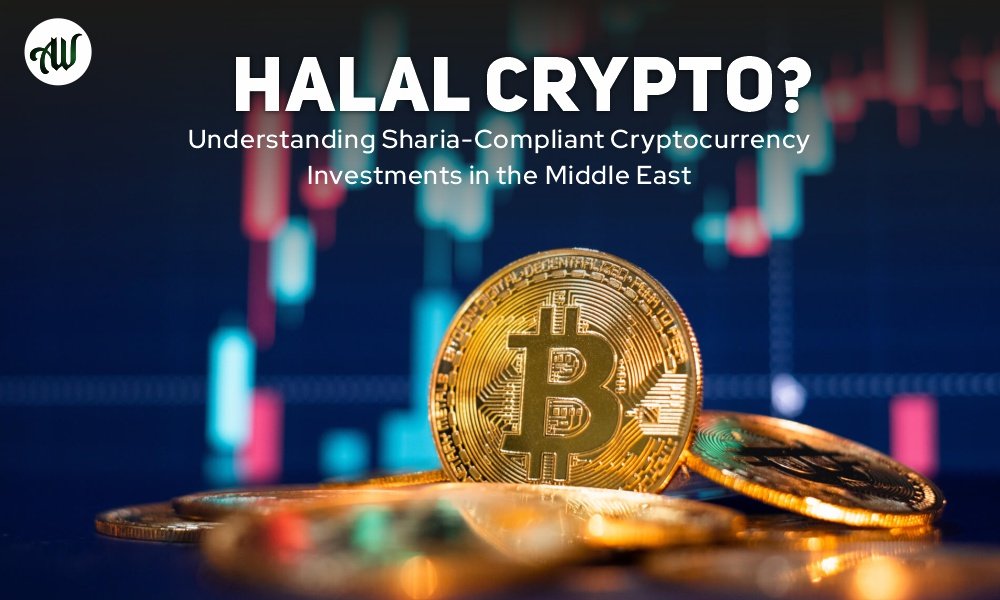
The rise of digital assets has sparked a new financial revolution across the Arab world. Yet, for many investors in the Middle East, one question remains central: Is it halal? As blockchain technology continues to redefine how people trade, save, and invest, the conversation around Sharia-compliant cryptocurrency has gained momentum.
Islamic finance has always been guided by principles that promote ethical investing, transparency, and the avoidance of excessive speculation or interest (riba). These same principles are now being applied to assess whether digital currencies align with Islamic values. For a region balancing rapid innovation with deep faith traditions, this debate is both timely and transformative.
Understanding the Basics: What Makes an Investment Halal?
Before diving into digital assets, it’s important to understand what makes an investment halal. In Islamic finance, assets must:
- Avoid riba (interest or usury).
- Be free from excessive uncertainty (gharar) and gambling (maysir).
- Support productive, ethical, and socially responsible activities.
When it comes to cryptocurrency, scholars and Islamic finance experts assess whether it fulfills these requirements. The complexity arises because cryptocurrencies are decentralized, volatile, and often speculative, characteristics that may not align easily with traditional Sharia principles.
However, recent advancements in blockchain governance, asset-backed tokens, and regulated exchanges have opened the door for Sharia-compliant digital investment models.
Sharia-Compliant Cryptocurrency: Emerging Frameworks and Examples
To align with Islamic finance, several financial institutions and startups across the GCC are exploring ways to make crypto investing permissible.
1. Asset-Backed Tokens
Unlike speculative coins, asset-backed tokens represent ownership in real assets such as gold, real estate, or commodities. These provide tangible value, reducing uncertainty. For instance, OneGram, a Dubai-based company, launched one of the world’s first Sharia-compliant tokens backed by physical gold.
2. Islamic Finance Certification
Some blockchain projects are working with Islamic scholars and financial boards to obtain Sharia compliance certifications. These certifications assess whether the token structure, trading model, and project goals align with Islamic ethics.
3. Transparent Smart Contracts
Blockchain’s built-in transparency helps eliminate hidden interest or unfair practices, aligning well with Islam’s emphasis on honesty and trust in financial dealings. Smart contracts ensure that all terms are clear and verifiable by both parties.
Regional Developments: The Middle East Leads the Way
The Gulf Cooperation Council (GCC) countries are at the forefront of integrating Islamic finance with digital innovation.
Saudi Arabia is exploring the use of blockchain for financial services under the supervision of the Saudi Central Bank (SAMA), ensuring compliance with both economic and religious standards.
The UAE, home to the Dubai Multi Commodities Centre (DMCC) Crypto Centre, has become a hub for Sharia-compliant fintech innovation, combining progressive regulation with Islamic financial ethics.
Bahrain continues to position itself as a regional leader in Islamic banking, hosting fintech accelerators that include Sharia-compliant crypto startups.
These initiatives demonstrate that the region is not only adapting to cryptocurrency but also shaping its ethical foundation for the global Muslim community.
Investor Perspective: Balancing Faith and Opportunity
For Muslim investors, entering the crypto market often means balancing innovation with religious compliance. Key considerations include:
- Due Diligence: Ensuring that tokens or platforms are vetted by reputable Islamic scholars or Sharia advisory boards.
- Long-Term Value: Prioritizing projects that focus on real-world use cases such as energy, healthcare, or education over speculative trading.
- Community Impact: Investing in projects that contribute to social development aligns with Islam’s principle of shared prosperity.
The message is clear: while cryptocurrency opens exciting financial opportunities, the ethical path lies in choosing projects that uphold Islamic values of fairness, transparency, and societal good.
Challenges and Future Outlook
Despite progress, the path to full Sharia compliance is not without challenges. The volatility of digital currencies, lack of unified global standards, and ongoing debates among scholars continue to shape the landscape.
However, as regulatory clarity improves and blockchain adoption spreads, more Islamic financial institutions are expected to embrace Sharia-compliant crypto investment products. The Middle East, with its combination of religious authority and fintech leadership, is well-positioned to set global benchmarks in ethical digital finance.
Conclusion
The conversation around cryptocurrency in the Middle East is evolving from skepticism to structured exploration. As Gulf nations integrate Islamic finance with cutting-edge blockchain solutions, they’re building a model that combines faith, innovation, and sustainability.
Halal crypto investments represent more than just financial instruments they symbolize a future where technology respects tradition. By aligning digital assets with Sharia principles, the region is pioneering a new era of ethical wealth creation one that bridges the sacred and the digital.