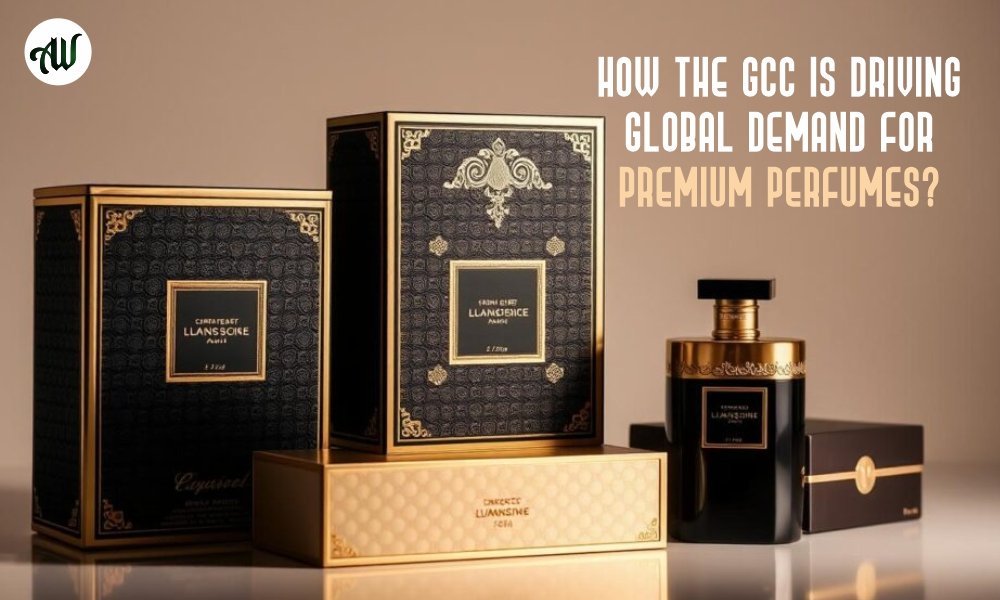
The Gulf Co-operation Council (GCC) has always been dominant in its perfumes and fragrance markets. To date, it has been witnessing unmatched growth, driving robust growth in disposable incomes, with a hype in consumer awareness. The deep-rooted culture of the region towards its cultural affinity in the luxury scents department makes it a pioneering component, which it pretty much dominates. The market’s expansion is fueled due to the region’s affluent population, as there’s a combined and strong demand for premium and niche fragrances.
A Cultural Legacy of Scent
For centuries, the Arab world has celebrated the art of perfumery. From oud and musk to rose and amber, these natural ingredients remain at the heart of fragrance creation. In the Gulf bloc, perfumes are more than accessories they are woven into daily life, rituals, and social interactions. This cultural devotion has established the region as both a producer and a tastemaker in the luxury fragrance industry.
Global perfume houses are increasingly drawing inspiration from Arab scents, while regional brands are expanding into international markets with confidence. The result is a dynamic exchange where the GCC both influences and enriches the global fragrance industry.
A Market on the Rise
The demand for premium perfumes in the GCC has surged in recent years, driven by rising disposable incomes, youthful demographics, and a strong appetite for luxury. Consumers in the region are highly discerning, valuing exclusivity and authenticity. This has pushed both regional and global brands to create bespoke collections, limited editions, and high-end experiences tailored specifically for Arab consumers.
The size of the fragrance market also reflects this growth trajectory. Industry analysts predict steady expansion well into the next decade, with the Arab Gulf consistently ranked among the top markets for luxury perfume sales worldwide. Beyond catering to local demand, regional fragrance houses are increasingly targeting Europe, Asia, and North America, where Arab-inspired scents are gaining popularity. By combining traditional notes with contemporary blends, these brands appeal to a broader international audience while maintaining cultural authenticity.
Innovation Meets Tradition
What sets the Gulf bloc apart is its ability to merge tradition with innovation. While oud, frankincense, and sandalwood remain timeless favorites, modern perfumers are experimenting with sustainable sourcing, advanced extraction methods, and eco-friendly packaging. These innovations allow the industry to keep heritage alive while appealing to new generations of global consumers.
Technology is also transforming the way perfumes are created and sold. Artificial intelligence is now being used to analyze consumer preferences and design personalized fragrance profiles. Meanwhile, e-commerce platforms and digital storytelling are helping niche and premium perfume brands expand internationally with relative ease.
Tourism and Luxury Retail
Tourism is another catalyst in the growth of premium perfumes. Visitors to Dubai, Riyadh, and Doha are introduced to the rich heritage of Arab perfumery through luxury malls, boutique fragrance houses, and cultural festivals. Perfume shopping often becomes part of the travel experience, further boosting global awareness of Gulf states brands.
Events such as fragrance expos and cultural festivals showcase the artistry of local perfumers while fostering collaboration with international fragrance houses. With the region’s focus on becoming a global tourism hub, perfumes are positioned not just as luxury items but as cultural ambassadors. They serve as souvenirs that carry the essence of the region to homes across the world.
The Power of Storytelling
One of the most compelling aspects of Arab perfumery is its storytelling tradition. Each fragrance is crafted to capture emotion, memory, or cultural heritage. For consumers worldwide, perfumes from the GCC are not just about scent but about an immersive cultural journey. This narrative-driven approach resonates strongly in luxury markets, where authenticity and storytelling drive customer loyalty.
By weaving history, tradition, and modern artistry into their creations, Arab Gulf perfumers are building brands that stand apart in an increasingly competitive global fragrance market.
Future Opportunities
Looking ahead, the Gulf state perfume industry is poised for even greater global influence. Sustainability will be a key focus, as environmentally conscious consumers seek products that align with their values. At the same time, digital innovation will enable brands to personalize experiences, from AI-powered fragrance recommendations to virtual scent discovery.
The expansion of free trade zones and favorable government policies will also make it easier for local brands to scale globally. By combining entrepreneurial drive with centuries of expertise, GCC-based perfume companies are positioning themselves as world leaders in premium fragrance innovation.
Conclusion
Perfume in the Arab world is far more than a luxury; it is a reflection of culture, history, and identity. By preserving traditions while embracing innovation, the Gulf region is not only meeting local demand but also shaping global fragrance trends.
As international markets look for authenticity, exclusivity, and cultural depth in luxury products, the GCC stands out as a beacon of excellence. Premium perfumes from the region embody a story that resonates far beyond its borders, one of heritage transformed into global influence. In 2025 and beyond, the region’s fragrance industry will remain both a cultural treasure and an economic powerhouse, strengthening the Gulf region’s role as a global leader in the art of perfumery.