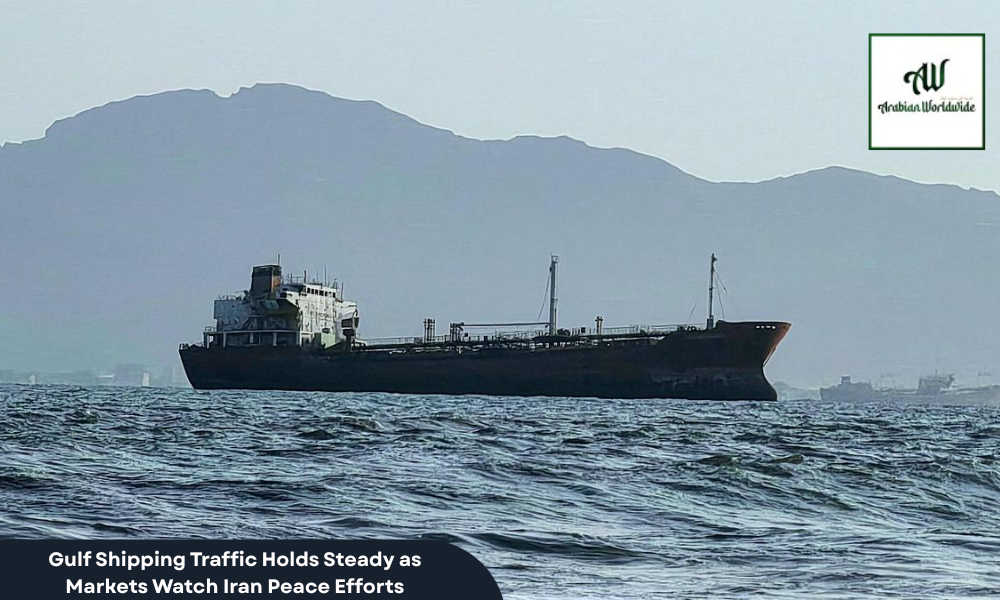
Shipping activity through two of the world’s most strategically important maritime passages, the Strait of Hormuz and the Bab el-Mandeb, remained largely unchanged on Tuesday despite continued uncertainty surrounding diplomatic efforts to end the conflict between the United States and Iran.
According to ship-tracking data from Kpler, eight vessels transited the Strait of Hormuz during the day, matching the previous day’s traffic. The movement included five oil tankers and three bulk carriers. Of these, six vessels three tankers and three bulk carriers entered the strait, while one gas carrier and one tanker exited.
Traffic through the vital waterway remains significantly below normal levels. Before the outbreak of the U.S.-Israeli conflict with Iran on February 28 and Tehran’s subsequent closure of the Strait of Hormuz, the route typically handled around 130 to 140 vessels each day.
ADNOC LNG Tanker Resumes Voyage
In a notable development, the liquefied natural gas (LNG) tanker Mubaraz, operated by Abu Dhabi National Oil Co. (ADNOC), reappeared outside the Strait of Hormuz after loading cargo from Das Island in the United Arab Emirates.
The vessel departed Das Island on July 14 and was last tracked inside the strait on July 16. According to ship-tracking data from LSEG and Kpler, the tanker is now positioned off India’s western coast and is expected to unload its cargo at the Dahej LNG terminal in Gujarat on August 5.
This marks the third successful voyage by the Mubaraz carrying LNG cargo from Das Island since the conflict began. Earlier shipments were delivered to customers in China and India. ADNOC had not commented on the vessel’s latest movement outside regular business hours.
Bab el-Mandeb Traffic Also Unchanged
Shipping activity through the Bab el-Mandeb Strait remained equally stable, with 20 vessels transiting the passage on Tuesday 10 entering and 10 exiting. The inbound traffic included six tankers, three dry bulk carriers and one gas carrier, while outbound movements consisted of seven tankers and three bulk carriers.
Analysts noted that the actual number of ships operating in the region could be higher, as some vessels continue to sail with their tracking transponders switched off.
Peace Talks Influence Oil Markets
Meanwhile, Qatar said mediators were making progress toward ending the U.S.-Iran conflict, a development that weighed on global oil prices. However, Tehran rejected U.S. President Donald Trump’s assertion that formal negotiations were already underway, leaving the outlook for regional stability and maritime trade uncertain.
Also Read ;- Aboard the $250 Million Superyacht: How Abbas Sajwani Is Building Dubai’s Next Luxury Real Estate Empire