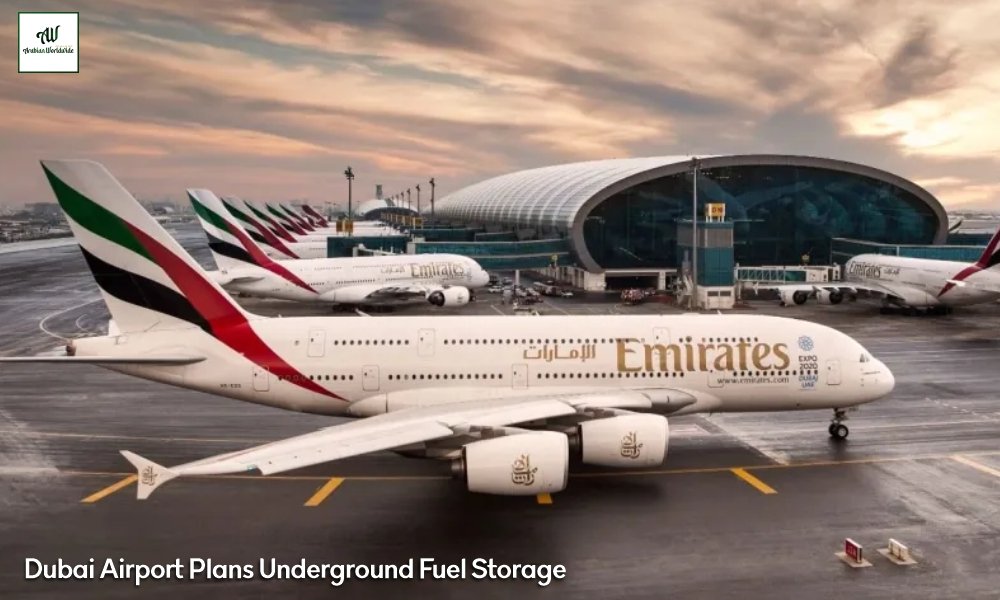
Dubai Airport is considering placing key parts of its planned airport infrastructure underground as it looks to protect the facility from potential drone and missile attacks in the future. The move comes as the emirate continues with its ambitious airport expansion plans despite the recent conflict involving Iran, the US and Israel.
Focus on Stronger Infrastructure
Paul Griffiths, chief executive of Dubai Airports, said the design of the new airport could include underground fuel storage and additional protection for other critical facilities. The aim is to make the airport more capable of withstanding attacks and reducing the impact of any future disruption.
Griffiths said some parts of the airport may need to be strengthened, with planners assessing the likelihood of an attack alongside the potential consequences. Underground fuel tanks are among the options being examined as part of the airport’s broader resilience strategy.
The plans reflect lessons from recent events, when fuel infrastructure at Dubai International Airport, or DXB, was damaged during strikes. The incident forced the airport to temporarily suspend operations.
Expansion Plans Remain Unchanged
Despite the security risks exposed by the conflict, Dubai Airports does not intend to reduce the scale of its planned expansion. The multibillion-dollar project is designed to eventually handle up to 250 million passengers annually.
Griffiths said the war had not changed the company’s long-term strategy. He described discussions with chairman Sheikh Ahmed Bin Saeed Al Maktoum about the issue as extremely brief, with the decision being that the expansion would continue as planned.
Lessons From the Conflict
Dubai International Airport had been one of the world’s leading international aviation hubs for decades. However, the regional conflict caused widespread disruption to air travel and pushed the airport outside the global top five in passenger rankings during the first half of the year.
The airport was able to resume operations about an hour after the strike-related incident, according to Griffiths, who maintained that safety standards remained in place throughout.
Emirates, Dubai’s main airline, initially grounded its entire fleet when the conflict began. Services resumed within days, with flights operating through restricted air corridors monitored by UAE military aircraft.
The proposed underground infrastructure highlights Dubai’s effort to balance its long-term aviation ambitions with the growing security risks facing major airports in the region.
Also Read :- Dubai Customs Strengthens Global Trade Through Strategic Logistics Partnership